Field soil and ground tests
- Plate load testing
- Field dry density testing
- Field CBR testing
- Earth resistivity testing
- Modulus of subgrade reaction testing
- EV1 and EV2 testing
SRS testing services
Understand ground conditions for foundations, earthworks and infrastructure planning.
Discuss this service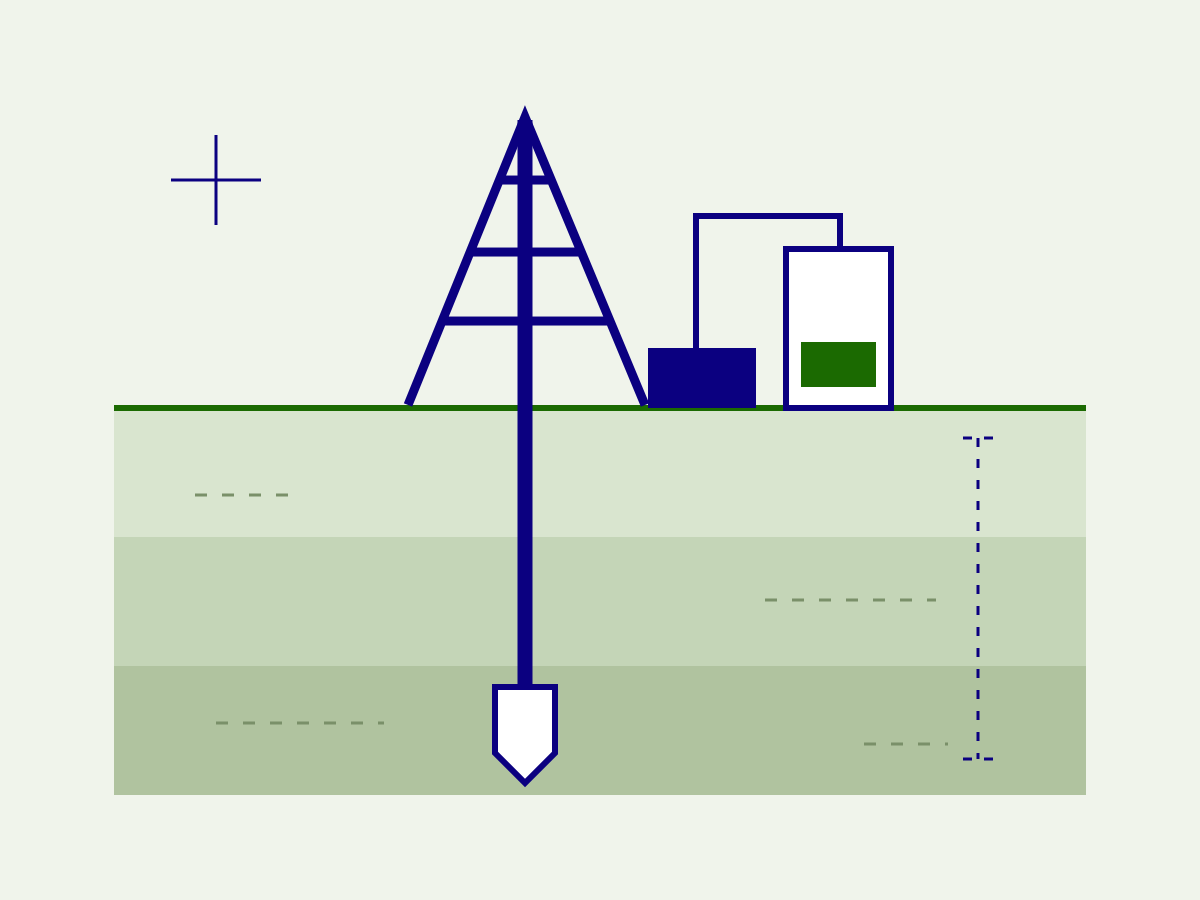
Overview
Ground investigation helps a project team build an understanding of the site before making foundation or earthwork decisions. The appropriate scope depends on the proposed works, the available information and the conditions that need investigation.
From field soil tests to site investigations and soil or rock testing, we discuss the information the project requires and the practical arrangements for obtaining it. Investigation locations, methods and interpretation requirements are agreed for the site.
Scope to discuss
Investigation scope and interpretation depend on the site and proposed works. The precise subgrade test method and the soil/rock laboratory schedule are confirmed for the assignment.
Where it is used
Questions before you enquire
These answers are a starting point. The scope of an assignment is agreed around your project.
Send the site location and the nature of the proposed works. SRS is based in Rishikesh and discusses assignments across the seven listed states, with access, scheduling and investigation scope agreed for each site.
There is no single arrangement for every project. The proposed works, available site information, ground conditions and the consultant's requirements guide the investigation plan.
Field work investigates conditions at the site. Laboratory work considers selected soil or rock samples under the agreed testing schedule. A project may require one or both, depending on the information needed.
Foundation decisions need the relevant ground information and the proposed structure's requirements considered together. The investigation findings should be reviewed by the responsible project consultant within the agreed scope.
Your site. Your requirements.
We discuss assignments across Uttarakhand, Uttar Pradesh, Himachal Pradesh, Bihar, Rajasthan, Haryana, Gujarat.
Site access, scheduling, method suitability and availability are confirmed for the agreed work.